Home batteries / With or without solar

Home batteries and backup power.

A battery can work with a suitable solar system or charge from the grid if panels won’t suit your place. If backup matters, list the circuits you want to keep running. If saving on power is the priority, we’ll compare your usage and tariff with the cost of storage.

Send a bill for a battery review My roof won’t suit solar
Start with the load
01Use solar after dark
02Cover an outage
03Manage peak demand

Backup / A simple example

Power and time are different.

A steady 500-watt load running for four hours uses 2 kWh. That’s the energy the equipment needs, before losses and a reserve. A pump may also need a short burst of much higher power to start. Both questions matter.

List the fridge, lights, internet, pumps or machinery you want backed up. We check what can run together, how long you need it and which circuits the proposed backup arrangement will actually supply.

See how an off-grid battery bank fits together
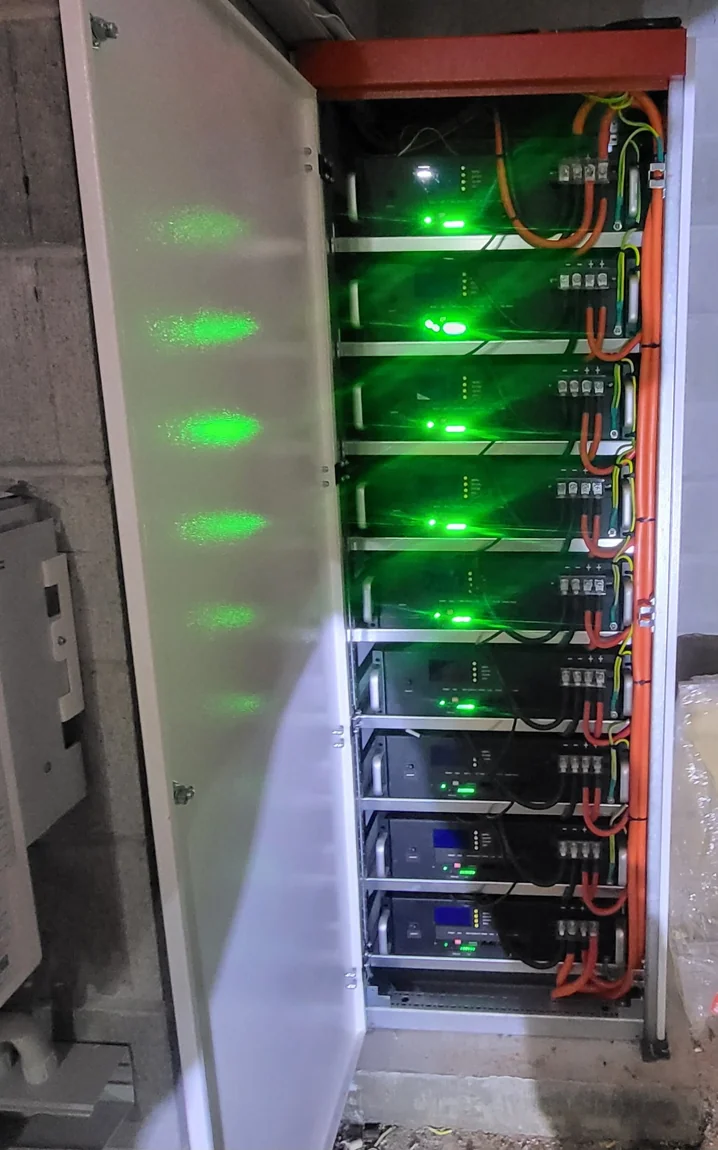
The battery rack in an off-grid installation
A battery rack from one of our off-grid jobs. For a home backup system, we first agree which circuits need to stay on. See the off-grid installation.

Grid-charged batteries / Homes without solar

No suitable roof?

A compatible system can charge when power is cheaper, then supply the house at peak times. It needs a tariff gap big enough to cover the energy lost in charging and discharging. With a flat tariff, shifting power through a battery costs energy. Backup may still be valuable to you.

What would shifting power save?

Use your own GST-inclusive import prices and the energy you can actually use at peak times. Allow for the charge you want to hold for outages. This estimates the change to usage charges only.

For example, at 35c peak, 18c off-peak and 90% efficiency, delivering 6 kWh saves about 90 cents on a day when all 6 kWh displace peak imports.

EECA’s battery guidance (opens in a new tab)

Hardware, installation, daily charges, tariff changes, deterioration, service and finance sit outside this estimate. We compare the result with shifting flexible loads directly and separately size the power, circuits and runtime for backup.

Send a bill for a battery-only review Compare finance options

Equipment we can assess

Three battery options to compare.

Start with your existing inverter and switchboard. We confirm compatibility, the NZ installation pathway, service support and what is covered before pricing a particular model.

Sigenergy SigenStor

Worth assessing when solar, battery storage and a future charging option are being planned together. We check the energy controller, battery modules and gateway against the backup brief. Two-way EV charging needs a separate vehicle and network check.

Check two-way EV charging What’s different about Neo? →

Tesla Powerwall

An option for storing solar for later use or backing up selected loads. For an existing array, we check the solar configuration, proposed backup circuits, gateway, monitoring and Tesla Certified Installer arrangements.

Tesla NZ system design (opens in a new tab)

myenergi libbi 2

A battery to consider if you want storage and compatible myenergi devices to work together. If you already have a zappi charger, send its model. We check the NZ supply and installation route before quoting.

myenergi NZ battery details (opens in a new tab)

Sigenergy / Residential storage

SigenStor Neo

Considering solar, storage and backup in one installation?

Neo combines the inverter, battery controls and backup gateway in one system and can take up to six matching battery modules. If backup is the reason you’re looking, tell us which circuits you want to keep running and for how long.

Neo is a separate equipment family. If you already have SigenStor, send the controller and battery model numbers before assuming the parts will work together. Two-way EV charging also needs its own compatibility check.

Sigenergy has announced Neo internationally. Before quoting it in Otago, we need written confirmation of the NZ model, supply, warranty support and suitability for your site.

Ask about Neo for my site → Sigenergy’s announcement (opens in a new tab)

Quote and aftercare

What to ask for in writing.

The comparison

Compare solar alone, storage and any backup equipment separately. We identify the usage data, tariffs, export assumptions, site works and reserve settings behind an estimate. Where storage adds little value, that should be clear in the comparison.

The handover

Agree on backed-up circuits, monitoring access, who receives alerts and how support calls are handled. Keep a record of settings, models, serial numbers and warranty contacts. If a savings review matters, agree upfront what to compare after the first representative billing period.

Getting started

Already have solar?

Send a recent bill, your inverter model if known, and what you want the battery to do.

Share my site details

Membership & site safety

Contractor documents

Master Electricians

Quality Assured member

Member 24728